
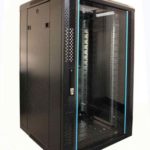
 FREE STANDING CABINETS
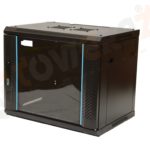 WALL MOUNTED CABINETS
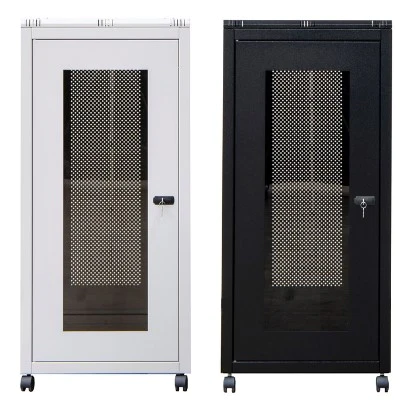
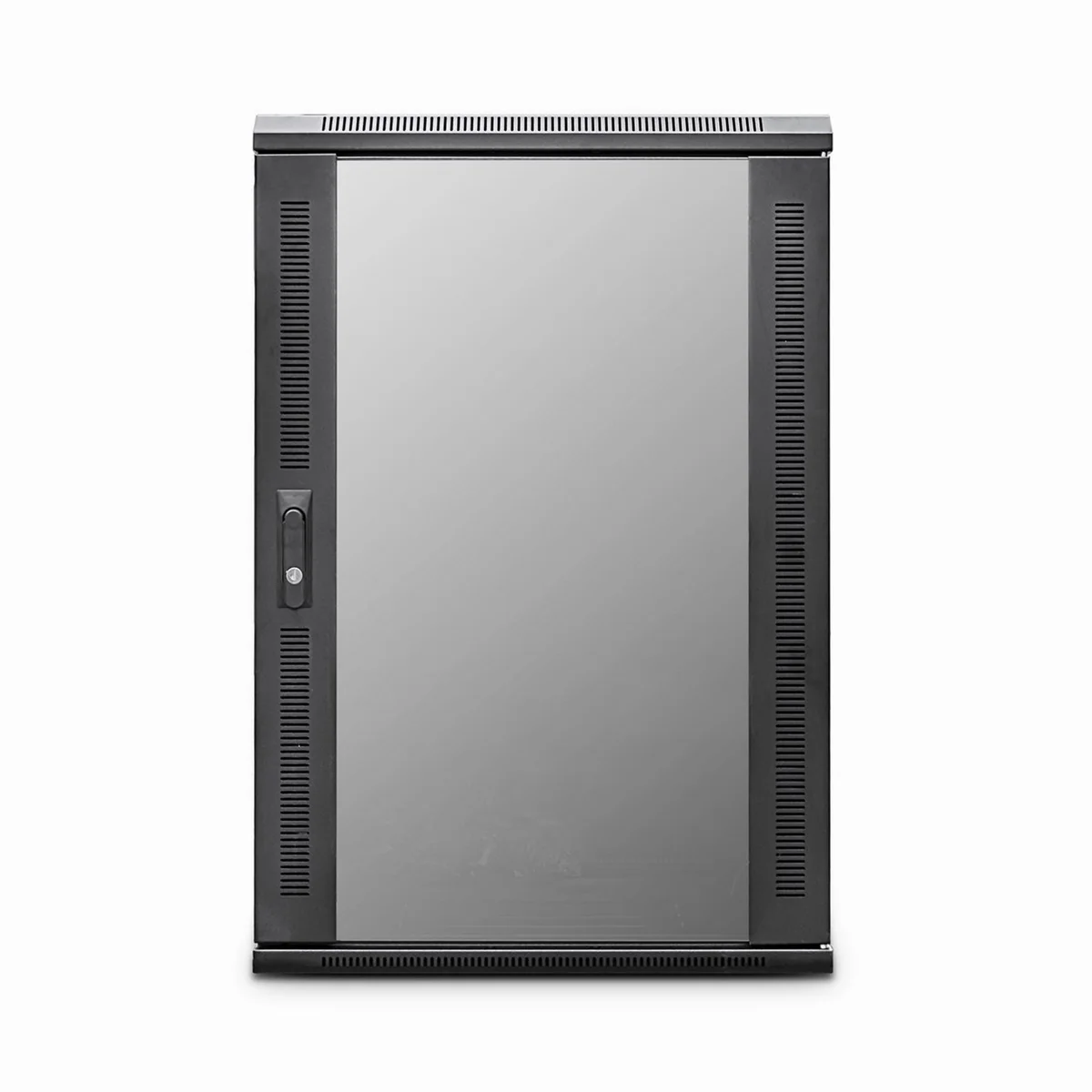
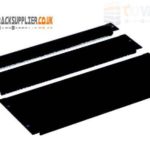 Blanking panel
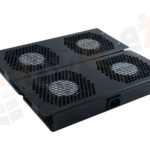 fan units
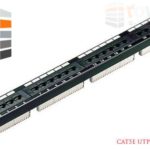 PATCH PANEL
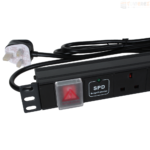 Power Distribution Unit
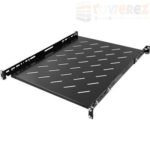 SHELVES
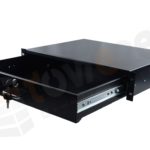 RACK DRAWER
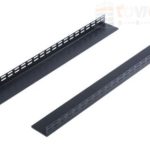 TOWEREZ RAILS
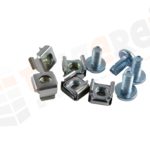 CAGE & NUTS

32U vs 42U Server Cabinet: Which Size Is Best for a UK Server Room?

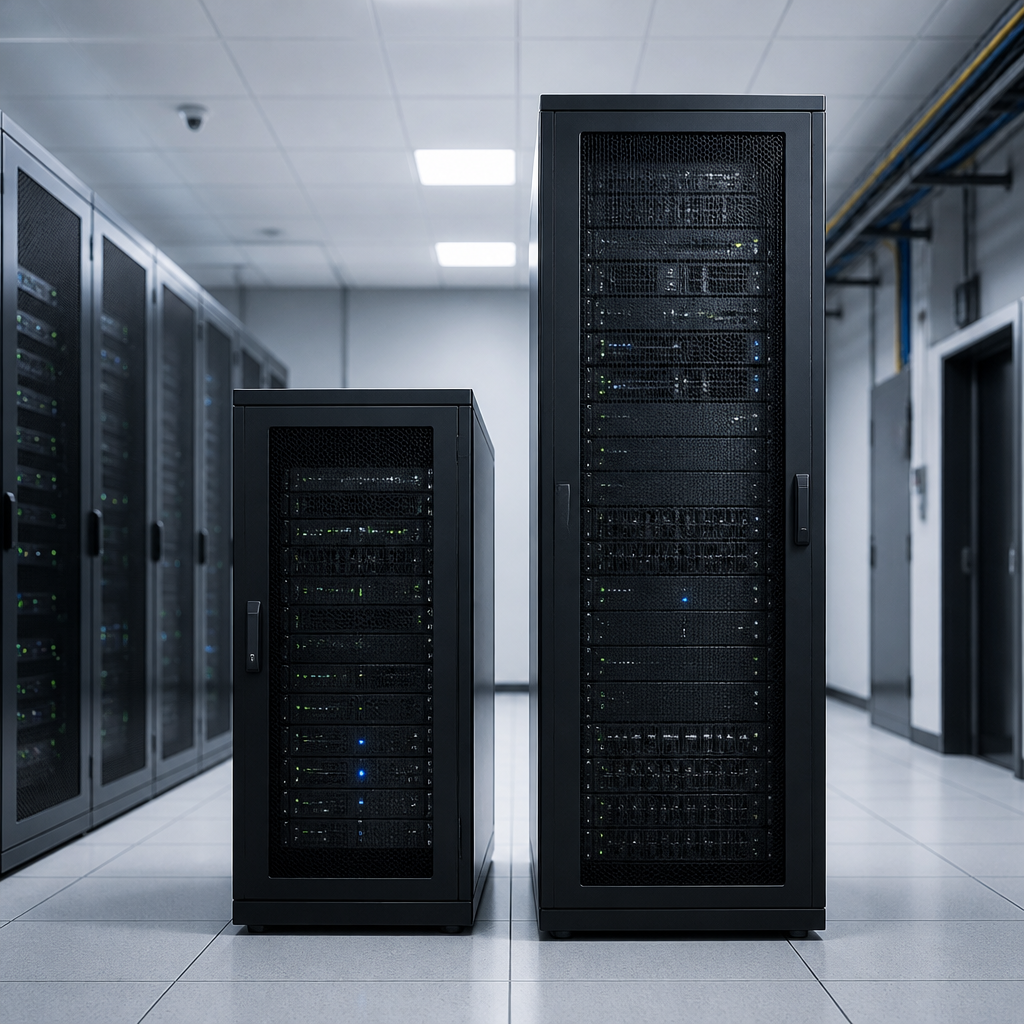
For most growing UK server rooms, a 42U cabinet is the better long-term choice, while a 32U cabinet is often the smarter option where space, budget or equipment needs are limited. The right decision in a 32U vs 42U server cabinet comparison depends on usable rack units, equipment depth, power, cooling, access space and expected expansion—not height alone.
What do 32U and 42U mean?
In a standard 19-inch rack, U means rack unit, the vertical measurement used for IT and networking equipment. One rack unit is 44.45 mm high. A 32U cabinet therefore provides 32U of nominal mounting space, while a 42U cabinet provides 42U.
That gives the 42U model 10 additional rack units—equivalent to 444.5 mm of extra vertical mounting capacity. In practice, the usable space can be lower because of cable managers, blanking panels, shelves, power distribution units (PDUs), patching equipment and clearance around individual devices.
Both cabinet sizes normally support standard 19-inch rack equipment, but external dimensions vary between manufacturers. Width, depth, castors, doors, roof panels and side panels all affect the final footprint. Always check the manufacturer’s dimensional drawing rather than relying on the U rating alone.
32U vs 42U server cabinet: the key differences
| Consideration | 32U cabinet | 42U cabinet |
|---|---|---|
| Vertical capacity | Suitable for a compact or moderate installation | More room for servers, networking and future growth |
| Floor and visual impact | Usually easier to place in a small room | Typically taller and more visually dominant |
| Initial cost | Often lower, depending on specification | Often higher because of size and capacity |
| Equipment access | Convenient working height for some installations | Upper equipment may require a step platform or careful access planning |
| Expansion | Can fill quickly if requirements change | Provides more spare capacity and layout flexibility |
| Best fit | Small offices, branch sites and compact server rooms | Growing businesses, comms rooms and dedicated IT spaces |
The table is a starting point, not a substitute for a rack plan. A lightly populated 42U cabinet may be less effective than a well-organised 32U cabinet if the larger enclosure cannot be cooled, moved or serviced properly.
When is a 32U server cabinet the better choice?
Limited room height or restricted access
A 32U enclosure can be easier to install in an office, school, retail site or small commercial premises. It may suit rooms with low ceilings, narrow doorways or limited delivery access. Before ordering, measure the route from the unloading point to the final position, including door widths, lifts, thresholds and turning areas.
Remember that a cabinet’s overall height is greater than its rack space. Castors, adjustable feet, roof construction and top-mounted accessories can add to the stated 32U height. Allow clearance for ventilation and for removing doors or roof panels during installation.
A modest equipment requirement
A 32U cabinet is appropriate when the rack plan contains a small number of servers, switches, patch panels, firewalls and supporting accessories. It can also work well for a dedicated networking rack or a remote-site enclosure where the equipment list is stable.
Do not count only the servers. Include vertical space for horizontal cable managers, brush panels, shelves, console equipment, fibre management and spare positions around devices that require special airflow or maintenance access.
A lower or more controlled initial budget
A smaller cabinet may reduce the initial enclosure cost and can prevent a business from paying for capacity it will not use. However, compare the complete installation cost. A cabinet with better doors, locking, earthing, adjustable rails, removable side panels, castors and a suitable PDU may offer better value than a cheaper but poorly specified model.
When is a 42U server cabinet the better choice?
Planned growth and equipment changes
A 42U cabinet is usually the safer choice where the organisation expects additional servers, storage, switches, security appliances or uninterruptible power supply equipment. Spare rack capacity makes it easier to add equipment without immediately buying another cabinet or redesigning the room.
Expansion space also helps with technology refreshes. New equipment may occupy a different number of rack units from the hardware it replaces. A cabinet that is full today can become difficult to reconfigure when a replacement server is deeper, heavier or needs a different cable arrangement.
A dedicated server or communications room
In a purpose-built UK server room, a 42U cabinet can make efficient use of the room’s height. It may support a more consistent cabinet layout, clearer separation of power and data cabling, and a larger reserve of mounting space for future projects.
Several smaller cabinets may still be preferable where equipment needs physical separation, different security zones or separate cooling and power arrangements. Cabinet height should support the room design rather than dictate it.
Higher-density installations
More rack units do not automatically solve high-density cooling or power problems, but a taller cabinet gives the layout more options. It may allow equipment to be distributed vertically, with blanking panels used to maintain front-to-back airflow and suitable cable management used to avoid obstructing vents.
For dense servers, confirm the cabinet’s maximum static and dynamic load ratings, usable depth, rail adjustment range and airflow design. Heavy equipment should be installed low enough to keep the cabinet stable and practical to service.
Capacity planning: do not fill either cabinet to 100%
The most common mistake in a 32U vs 42U server cabinet decision is treating every available rack unit as immediately usable. A sensible plan reserves space for growth, maintenance and changes in equipment dimensions.
Start with a simple rack elevation. List every item, its rack height, depth, weight, power requirement and preferred position. Then add space for:
- Patch panels and network switches;
- Vertical or horizontal cable management;
- Rack PDUs and power cord routing;
- Fibre panels and bend-radius protection;
- Blanking panels for unused positions;
- Future equipment and replacement hardware;
- Service access around devices that need frequent removal.
For example, a cabinet containing equipment that currently totals 20U may fit comfortably in a 32U enclosure, but the decision changes if a second server cluster, storage shelf or additional switching layer is likely. Conversely, a 42U cabinet may be unnecessary for a small fixed installation if the room cannot support its footprint or cooling load.
Cooling and airflow considerations
Cabinet height is only one part of thermal management. Most rack equipment draws cool air from the front and exhausts warm air at the rear, so the cabinet and room should support a clear front-to-back airflow path.
When comparing a 32U vs 42U server cabinet, check the following:
- Perforated front and rear doors, where appropriate;
- Roof and base ventilation options;
- Compatibility with the room’s cooling strategy;
- Space between cabinet rows and nearby walls;
- Blanking panels for unused rack positions;
- Whether cable bundles will obstruct equipment inlets or outlets;
- Temperature and humidity monitoring at useful points in the room.
A taller cabinet may hold more heat-producing equipment, but it does not create cooling capacity. The room’s air-conditioning system, airflow arrangement and electrical supply must be assessed against the actual equipment load. If the rack contains high-density compute or storage, obtain thermal and power information from the equipment manufacturers rather than estimating from cabinet height.
Power, weight and safety
Power planning should be completed before choosing the enclosure. Decide whether the cabinet needs one or more PDUs, metered or switched outlets, separate power feeds, cable-entry options and vertical mounting. Check plug types, circuit ratings and the requirements of any UPS system.
Weight is equally important. Servers, batteries, storage shelves and large UPS units can make a fully populated cabinet very heavy. Review the floor loading, cabinet static and rolling load ratings, castor specifications and the method used to secure the cabinet against movement or tipping.
In a UK installation, arrange suitable electrical work, bonding and inspection through a competent professional. The cabinet should be correctly earthed and positioned so that power cables do not create trip hazards or interfere with access. Follow the cabinet and equipment manufacturers’ instructions for installation and load distribution.
Depth, width and compatibility checks
A 32U or 42U label does not confirm that every device will fit. Before purchase, verify:
- The equipment’s total depth, including rear cables and connectors;
- Front and rear rail adjustment ranges;
- Whether the cabinet has square mounting holes, threaded holes or compatible cage nuts;
- Maximum equipment weight per pair of rails;
- Internal width around cable routes and side clearance;
- Door clearance when equipment handles or cable plugs are installed;
- Access for lifting heavy equipment into the cabinet.
Some cabinets described as server cabinets are optimised for network equipment, while others are designed for deep servers. A short-depth wall-mounted or floor-standing network cabinet may not provide the rear clearance needed for a server, even if its nominal rack width is correct.
Security and physical access
Both cabinet sizes can provide physical protection through lockable front and rear doors, removable locking side panels and controlled access to the server room. Choose the security level based on the site and equipment, not simply on whether the cabinet is 32U or 42U.
Consider the people who need to work on the rack. A 42U cabinet places its highest equipment higher than a 32U cabinet, which can make inspection and replacement less convenient. Avoid putting heavy devices at the top. Keep frequently serviced items at accessible heights and leave enough room in front and behind the cabinet for safe maintenance.
Installation and room layout in the UK
Measure the proposed room and draw the cabinet footprint before ordering. Include front and rear working clearances, door swing, adjacent cabinets, wall-mounted services, fire protection equipment and the route for power and data cables. A cabinet that fits on paper may be difficult to service if the door cannot open fully.
Check the building route as well. A tall 42U cabinet can present more handling challenges during delivery, particularly in older buildings, stairwells or sites with small lifts. Confirm whether the supplier delivers assembled or flat-packed equipment and whether the cabinet can be safely moved into position.
Where several cabinets are planned, maintain a consistent orientation and cable pathway. Good layout makes future additions easier and supports clearer separation between equipment, power distribution and structured cabling.
Which cabinet should you choose?
Choose a 32U server cabinet when the installation is compact, the equipment list is well understood, access or ceiling height is restricted, and there is limited likelihood of near-term expansion. It can be a practical option for a small server room, branch office or dedicated network rack.
Choose a 42U server cabinet when the room is suitable, the business expects growth, equipment may change, or you want more flexibility for structured cabling and future projects. The additional 10U can reduce the need for an early cabinet replacement, provided the room can support the cabinet’s cooling, power, weight and access requirements.
If the decision remains close, create two rack elevations and compare the total installation—not just the cabinet price. Include PDUs, shelves, cable management, blanking panels, delivery, installation, cooling, power work and future expansion. The better cabinet is the one that remains safe, serviceable and adaptable throughout its intended life.
Key takeaways
- A 32U cabinet offers compact capacity and may suit smaller or space-constrained installations.
- A 42U cabinet provides 10 additional rack units and is generally better for growth and layout flexibility.
- Neither size guarantees compatibility: check depth, rail adjustment, weight, power and airflow.
- Reserve rack space for cable management, blanking panels, maintenance and future equipment.
- Measure the room and delivery route, including front and rear service clearances.
- Base the final choice on the complete installation plan rather than height alone.
Frequently asked questions
Is a 42U cabinet always better than a 32U cabinet?
No. A 42U cabinet is better when you need extra capacity or future flexibility, but a 32U cabinet may be more suitable for a compact room, restricted access route or stable equipment list. The correct size must also match cooling, power, floor loading and service-clearance requirements.
How much more space does a 42U cabinet provide?
A 42U cabinet provides 10 more nominal rack units than a 32U cabinet. Since one rack unit is 44.45 mm, that represents 444.5 mm of additional vertical mounting space. Actual usable space depends on cable management, PDUs, shelves, blanking panels and equipment layout.
Can a 32U cabinet hold standard servers?
Yes, provided the cabinet has compatible 19-inch mounting rails, sufficient depth, adequate weight capacity and suitable front-to-back airflow. Check the server’s dimensions, rail kit, cable clearance and installation instructions before ordering.
Should I leave spare rack units in a server cabinet?
Yes. Spare space allows for future equipment, replacement hardware, cable management and changes in rack layout. A fully occupied cabinet can be harder to cool and service, so capacity planning should include a practical expansion allowance.
Does a taller cabinet need more cooling?
Not simply because it is taller. Cooling demand is driven mainly by the heat produced by the installed equipment and the room’s ability to remove it. A 42U cabinet can hold more equipment, so its potential heat load may be higher, but the required cooling must be calculated from the actual equipment specification and layout.
{“@context”:”https://schema.org”,”@type”:”FAQPage”,”mainEntity”:[{“@type”:”Question”,”name”:”Is a 42U cabinet always better than a 32U cabinet?”,”acceptedAnswer”:{“@type”:”Answer”,”text”:”No. A 42U cabinet is better when you need extra capacity or future flexibility, but a 32U cabinet may be more suitable for a compact room, restricted access route or stable equipment list. The correct size must also match cooling, power, floor loading and service-clearance requirements.”}},{“@type”:”Question”,”name”:”How much more space does a 42U cabinet provide?”,”acceptedAnswer”:{“@type”:”Answer”,”text”:”A 42U cabinet provides 10 more nominal rack units than a 32U cabinet. Since one rack unit is 44.45 mm, that represents 444.5 mm of additional vertical mounting space. Actual usable space depends on cable management, PDUs, shelves, blanking panels and equipment layout.”}},{“@type”:”Question”,”name”:”Can a 32U cabinet hold standard servers?”,”acceptedAnswer”:{“@type”:”Answer”,”text”:”Yes, provided the cabinet has compatible 19-inch mounting rails, sufficient depth, adequate weight capacity and suitable front-to-back airflow. Check the server’s dimensions, rail kit, cable clearance and installation instructions before ordering.”}},{“@type”:”Question”,”name”:”Should I leave spare rack units in a server cabinet?”,”acceptedAnswer”:{“@type”:”Answer”,”text”:”Yes. Spare space allows for future equipment, replacement hardware, cable management and changes in rack layout. A fully occupied cabinet can be harder to cool and service, so capacity planning should include a practical expansion allowance.”}},{“@type”:”Question”,”name”:”Does a taller cabinet need more cooling?”,”acceptedAnswer”:{“@type”:”Answer”,”text”:”Not simply because it is taller. Cooling demand is driven mainly by the heat produced by the installed equipment and the room’s ability to remove it. A 42U cabinet can hold more equipment, so its potential heat load may be higher, but the required cooling must be calculated from the actual equipment specification and layout.”}}]}