
 FREE STANDING CABINETS
 WALL MOUNTED CABINETS


 Blanking panel
 fan units
 PATCH PANEL
 Power Distribution Unit
 SHELVES
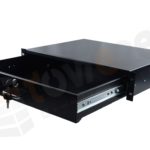 RACK DRAWER
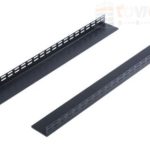 TOWEREZ RAILS
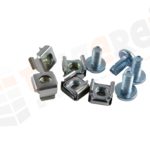 CAGE & NUTS

Does a Server Rack Need Earthing? UK Guide to Rack Bonding and Electrical Safety


Yes, a metal server rack in the UK will normally need a reliable protective earth connection and suitable bonding. Server rack earthing UK practice is designed to reduce electric shock risk, help protective devices disconnect a fault and control unwanted differences in voltage between interconnected equipment. The exact arrangement depends on the rack, power distribution units, building installation and the manufacturer’s instructions, so final work should be designed, tested and certified by a competent electrical professional.
Why does a server rack need earthing?
A typical server cabinet is made from steel or another conductive material. It can contain mains-powered servers, switches, uninterruptible power supplies, power distribution units and other equipment with exposed conductive parts. If insulation fails and a live conductor touches the cabinet, the rack could become hazardous unless fault current has a low-impedance path back to the electrical source.
Protective earthing and bonding provide that path. They help the circuit protective device, such as a circuit-breaker or fuse, operate within the required disconnection conditions. They also help keep the rack, doors, panels and installed equipment at substantially the same potential, reducing touch-voltage risk.
Earthing is not only about an individual cabinet. A server room may contain several racks, containment systems, cable trays, raised-floor components and metallic services. A properly planned bonding system considers the complete installation rather than adding an arbitrary wire to one convenient point.
Earthing versus bonding: what is the difference?
These terms are related but not identical:
- Protective earthing connects exposed conductive parts to the protective conductor of the electrical installation. Its purpose is primarily shock protection during an insulation fault.
- Protective bonding connects accessible metalwork together, and where required to the main earthing terminal or another appropriate protective network, to limit dangerous potential differences.
- Functional or technical bonding may be used to improve electromagnetic compatibility, reduce noise or provide a reference for sensitive electronic systems. It does not replace protective earthing.
In a rack, the protective conductor may arrive through the power supply or PDU. Separate bonding straps may then connect removable doors, side panels and other parts that are not guaranteed to remain electrically continuous through hinges, paint or mechanical fixings.
What does server rack earthing UK guidance involve?
There is no single universal cable size or connection method that applies to every rack. The installation should be assessed against the current edition of BS 7671, the Electricity at Work Regulations 1989 where applicable, relevant product standards and the equipment manufacturer’s instructions. In data and telecommunications environments, guidance such as BS EN 50310 may also be relevant to bonding and earthing arrangements.
A competent designer or electrician will typically consider:
- Whether the cabinet is Class I equipment with exposed conductive parts.
- How mains power reaches the cabinet, including the distribution board, final circuit protective conductor and PDU.
- Whether the rack frame, doors, panels, roof, base and cable-management parts are electrically continuous.
- Whether equipment is bolted directly to the rack or connected through insulated mounting hardware.
- The prospective fault current, circuit protective device and required disconnection time.
- Connections to cable trays, containment, raised floors, building steelwork and other metalwork.
- Electromagnetic compatibility requirements for copper, fibre, radio and industrial equipment.
- The need for inspection, testing, labelling and periodic verification.
Manufacturer-provided earthing points should be used where available. A marked stud, earth terminal or bonding bar is preferable to relying on a painted bolt, a random rack screw or a door hinge.
How should a server rack be bonded?
1. Provide a dependable protective earth path
The rack should have a clearly identified connection to the protective earthing system. In many installations, the rack-mounted PDU receives a protective conductor through its mains supply, and the PDU or cabinet provides a designated connection to the rack frame. The arrangement must be verified rather than assumed.
Do not use a signal cable screen, patch-cord shield, water pipe or an unverified structural fixing as a substitute for a protective earth. These may have a separate technical purpose and may not provide a suitable fault path.
2. Bond removable conductive parts
Doors, side panels, top covers and other removable sections may not maintain reliable continuity because of paint, hinges, seals or repeated maintenance. Flexible protective bonding straps can connect these parts to the main rack frame. Straps should be sized and installed for the intended protective function, secured against loosening and terminated on clean, suitable bonding points.
3. Consider rack-to-rack and room-wide bonding
Where multiple cabinets are installed together, designers may specify a rack bonding conductor or an earthing/bonding bar serving the row or room. This can provide an orderly connection point for cabinets and associated metallic containment. It does not automatically mean that every piece of metal should be connected indiscriminately; the design should avoid parallel paths and circulating currents that could create interference or maintenance hazards.
4. Maintain continuity through paint and hardware
Powder coating and paint are normally insulating enough to make a casual metal-to-metal contact unreliable. Use the manufacturer’s approved earth studs, serrated washers, bonding hardware or prepared contact points. Do not remove large areas of protective coating unless the cabinet manufacturer’s method permits it, because exposed steel can corrode and weaken the connection over time.
Do rack-mounted devices need their own earth connections?
It depends on their construction and power arrangement. A device with a protective-earth connection in its mains lead may be earthed through that lead when plugged into a correctly wired PDU. A double-insulated Class II device may not require a protective earth for shock protection, although it may still have functional bonding or screening requirements.
Equipment installed in a rack can also be electrically connected through mounting rails, brackets or cable screens, but mechanical contact should not be treated as the protective-earth path unless the manufacturer and installation design specifically support it. For example, painted rails may not provide dependable continuity, while an isolated device may need a dedicated bonding connection.
Always follow the equipment manual. Do not add duplicate earth connections to a device without understanding the design, particularly where sensitive communications, audio, measurement or industrial systems are involved.
Server rack earth bar: when is one useful?
An earth bar, bonding bar or rack grounding bar can make a server-room installation easier to inspect and extend. It may provide a labelled termination point for cabinet bonds, doors, panels, containment and other approved connections. In larger rooms, a structured bonding network can support consistent maintenance and documentation.
An earth bar is not a magic solution and does not replace the protective conductor from the electrical installation. It must itself be connected to the appropriate earthing system with a connection designed for the installation. Its location, conductor arrangement and separation from functional or telecommunications reference systems should be determined by the design.
Some data-centre designs use a mesh or telecommunications bonding infrastructure. The objective is usually to control potential differences and electromagnetic interference as well as to support safety. The correct topology depends on the building, power system, equipment and applicable standards.
Inspection and testing of rack earthing
Visual inspection should confirm that:
- The cabinet has an identified protective-earth or bonding point.
- Connections are tight, protected from accidental damage and free from obvious corrosion.
- Doors and removable panels have bonding straps where the design requires them.
- Protective conductors are not confused with data, screen or functional conductors.
- Cables are routed so that maintenance cannot easily disconnect or strain the bond.
- Labels and circuit identification match the drawings and distribution-board records.
Electrical testing may include continuity of protective conductors and bonding, polarity checks, insulation testing where appropriate, earth fault loop or other relevant verification, and testing of the supplying circuits. The test method must suit connected electronic equipment: indiscriminate insulation-resistance testing can damage sensitive devices if they remain connected.
Results should be recorded with the circuit reference, equipment tested, test instrument and date. Any modification to the rack, PDU, room bonding or electrical supply should trigger a review of the records. Periodic inspection should be based on risk, environment, usage and the duty holder’s procedures.
Common server rack earthing mistakes
| Mistake | Why it is a problem | Better approach |
|---|---|---|
| Relying on a rack screw | Paint, loose hardware or corrosion can interrupt continuity. | Use a designated bonding point and verify continuity. |
| Bonding only the frame | Doors and panels may remain at a different potential. | Fit manufacturer-approved straps where required. |
| Using a data cable as an earth | A screen is not necessarily a protective conductor. | Install a correctly designed protective bond. |
| Adding an unplanned second earth | It may create unwanted circulating currents or obscure fault paths. | Follow the electrical and EMC design. |
| Ignoring the PDU and UPS | A rack bond cannot correct a faulty or missing supply earth. | Verify the complete power path, including backup supplies. |
| Testing with equipment connected | Some tests may harm sensitive electronics. | Use an appropriate isolation and test procedure. |
Who should install or verify rack bonding?
Work on the fixed electrical installation should be undertaken by a suitably competent person. In a commercial server room, the responsible person should also coordinate the electrical contractor, IT manager, facilities team and equipment manufacturers. This avoids a situation where a cabinet is moved, a PDU is replaced or a containment section is added without updating the bonding arrangement.
Before energising a new rack, request evidence of design review, inspection and test results. For an existing installation with uncertain earthing, do not rely on a visual assumption. Isolate equipment safely and arrange an inspection by a qualified professional.
Key takeaways for UK server rooms
- Most metal server racks containing mains-powered equipment require a reliable protective-earth connection.
- Rack earthing and rack bonding are connected concepts, but functional EMC bonding is not a substitute for protective earthing.
- Bond the frame and, where required, doors, panels, containment and associated metalwork.
- Use designated manufacturer connection points, not random painted screws or data-cable screens.
- Assess the complete electrical path, including PDUs, UPS systems, protective conductors and circuit protection.
- Inspect, test, label and document the installation in accordance with the applicable UK requirements.
FAQ: server rack earthing UK
Does every server rack in the UK need an earth wire?
A metal rack containing mains-powered equipment will normally need a reliable protective-earth connection, but the exact method depends on the rack, equipment and electrical design. A competent person should verify the arrangement rather than assuming that a mains lead or frame contact is sufficient.
Can I earth a server rack to the building steelwork?
Not automatically. Building steelwork may be part of a designed bonding system, but it should not be used as an unverified substitute for the protective conductor. Any connection must be approved as part of the installation design and tested for continuity and suitability.
Is a rack earth bar the same as protective earthing?
No. An earth or bonding bar is a termination point that can help organise connections. It still needs a correctly designed connection to the protective earthing system, and its technical bonding function should not be confused with the protective-earth requirement.
Do server rack doors need bonding straps?
They may need them when hinges, paint, seals or removable fittings cannot guarantee reliable electrical continuity. The cabinet manufacturer’s instructions and the installation assessment should determine which doors and panels require dedicated straps.
Can I install server rack bonding myself?
Simple equipment assembly is different from work on the fixed electrical installation. Because incorrect bonding can create shock, fire or equipment risks, the design, connection and testing should be completed or verified by a suitably competent electrical professional.
{“@context”:”https://schema.org”,”@type”:”FAQPage”,”mainEntity”:[{“@type”:”Question”,”name”:”Does every server rack in the UK need an earth wire?”,”acceptedAnswer”:{“@type”:”Answer”,”text”:”A metal rack containing mains-powered equipment will normally need a reliable protective-earth connection, but the exact method depends on the rack, equipment and electrical design. A competent person should verify the arrangement rather than assuming that a mains lead or frame contact is sufficient.”}},{“@type”:”Question”,”name”:”Can I earth a server rack to the building steelwork?”,”acceptedAnswer”:{“@type”:”Answer”,”text”:”Not automatically. Building steelwork may be part of a designed bonding system, but it should not be used as an unverified substitute for the protective conductor. Any connection must be approved as part of the installation design and tested for continuity and suitability.”}},{“@type”:”Question”,”name”:”Is a rack earth bar the same as protective earthing?”,”acceptedAnswer”:{“@type”:”Answer”,”text”:”No. An earth or bonding bar is a termination point that can help organise connections. It still needs a correctly designed connection to the protective earthing system, and its technical bonding function should not be confused with the protective-earth requirement.”}},{“@type”:”Question”,”name”:”Do server rack doors need bonding straps?”,”acceptedAnswer”:{“@type”:”Answer”,”text”:”They may need them when hinges, paint, seals or removable fittings cannot guarantee reliable electrical continuity. The cabinet manufacturer’s instructions and the installation assessment should determine which doors and panels require dedicated straps.”}},{“@type”:”Question”,”name”:”Can I install server rack bonding myself?”,”acceptedAnswer”:{“@type”:”Answer”,”text”:”Simple equipment assembly is different from work on the fixed electrical installation. Because incorrect bonding can create shock, fire or equipment risks, the design, connection and testing should be completed or verified by a suitably competent electrical professional.”}}]}