
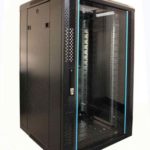
 FREE STANDING CABINETS
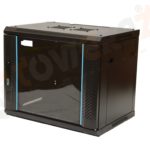 WALL MOUNTED CABINETS
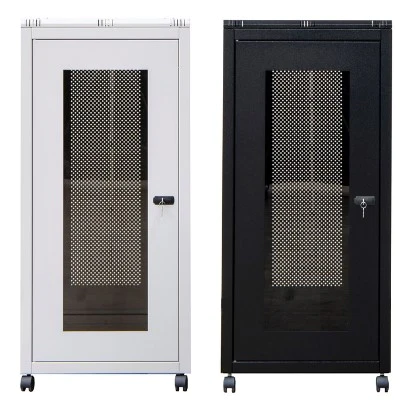
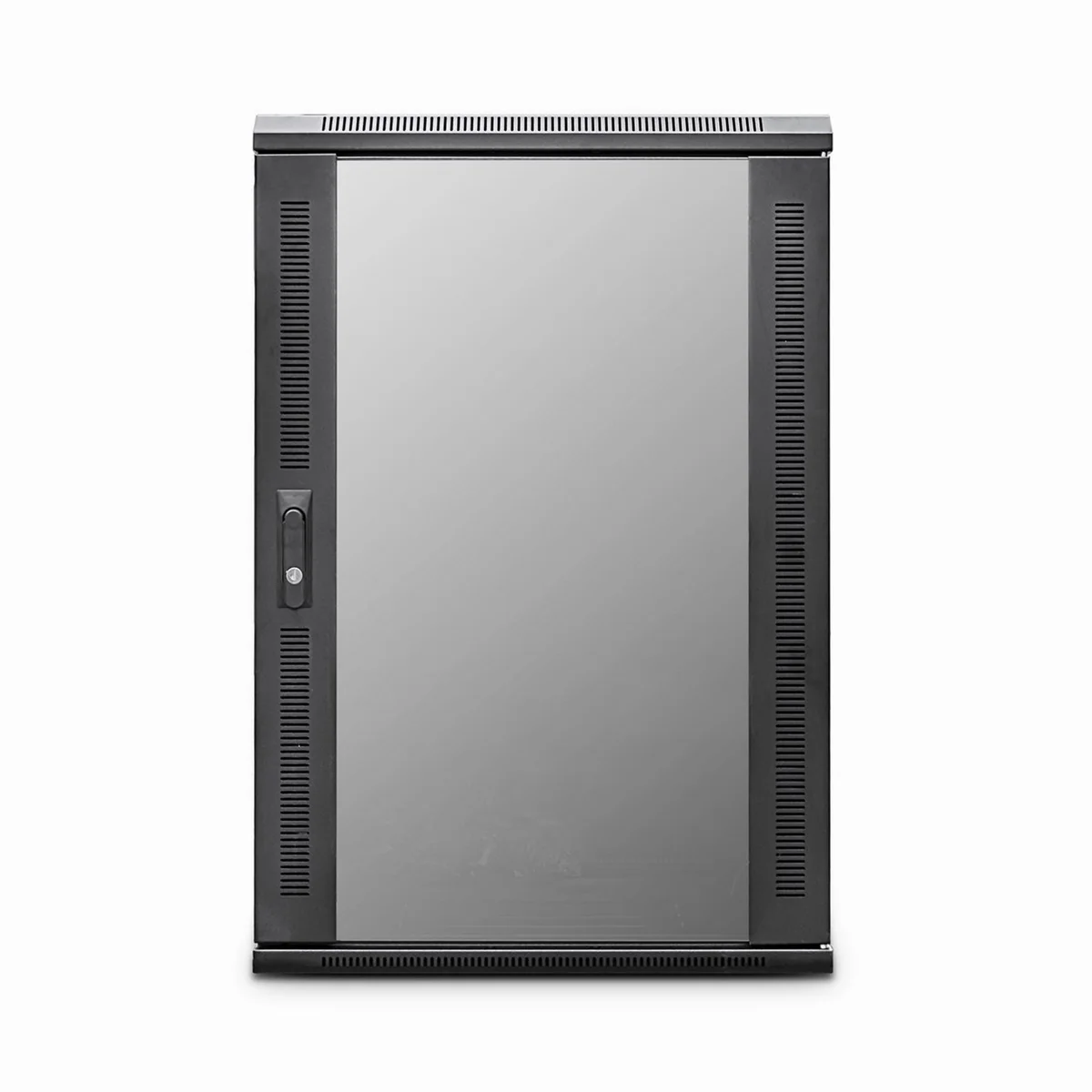
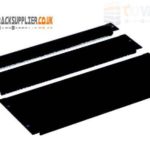 Blanking panel
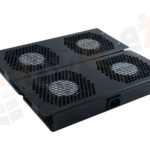 fan units
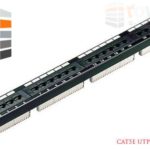 PATCH PANEL
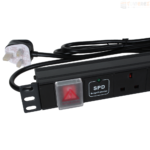 Power Distribution Unit
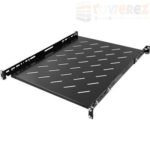 SHELVES
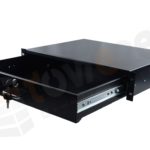 RACK DRAWER
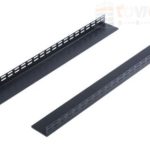 TOWEREZ RAILS
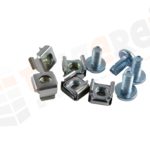 CAGE & NUTS

Rack Cabinet Glass vs Perforated Door: Which Is Best for UK IT Equipment?


In brief: for most actively cooled servers and high-density networking equipment, a perforated rack cabinet door is the safer technical choice because it supports airflow. A glass door is usually better where equipment visibility, appearance and basic access control matter more than maximum cooling. The right answer to the rack cabinet glass door vs perforated door UK question depends on heat load, room conditions, security, noise and how the cabinet will be used.
Choosing a door is not simply a matter of appearance. The front and rear doors affect how air enters and leaves a 19-inch cabinet, how easily staff can inspect equipment, and how effectively the enclosure protects valuable hardware. UK offices, schools, workshops, data rooms and small server rooms may all need different compromises.
Rack cabinet glass door vs perforated door UK: the key difference
A glass rack door creates a mostly enclosed front surface with a viewing panel. It allows users to see switches, patch panels, indicator lights and server displays without opening the cabinet. A perforated door uses a ventilated metal panel, commonly with a pattern of holes or mesh, to allow a greater volume of air through the cabinet.
Neither option is automatically right for every installation. Cabinet cooling also depends on the rear door, side panels, roof, floor arrangement, blanking panels, cable routing, fan systems and the room’s heating and ventilation. However, the door choice can strongly influence whether equipment receives the airflow it needs.
| Factor | Glass door | Perforated door |
|---|---|---|
| Visibility | Excellent visual access to equipment | Limited, depending on mesh design |
| Airflow | Restricted compared with a ventilated door | Designed to support front-to-back airflow |
| Appearance | Clean and presentation-friendly | More industrial and functional |
| Cooling suitability | Light to moderate heat loads, subject to manufacturer limits | Moderate to high heat loads, when the cabinet system is correctly configured |
| Noise control | May reduce direct sound transmission slightly | Allows more sound to escape |
| Inspection | Useful for quick visual checks | May require opening the door or using monitoring systems |
When a glass server cabinet is the better choice
1. You need immediate visual inspection
Glass is useful when staff regularly check link lights, display panels, patching or equipment status. A transparent door can reduce unnecessary door openings and make it easier to identify a powered-down device, disconnected cable or warning indicator.
This is particularly helpful in small IT rooms, reception areas, classrooms, studios and offices where the cabinet is visible to non-technical users. It can also make routine inspections faster when remote monitoring is not available for every device.
2. The cabinet is in a customer-facing or presentable area
A glass door gives a tidy, professional appearance and can make installed equipment easier to present. It may be suitable for a low-density network cabinet in an office, retail environment, laboratory or training room, provided the thermal requirements are modest and the room is appropriately conditioned.
3. The equipment has a low heat output
Patch panels, small switches, routers, power distribution units and other relatively low-power devices may not require the same air volume as densely populated servers. A glass door can work in these situations if the cabinet manufacturer confirms that the enclosure and ventilation arrangement are suitable.
Do not judge cooling needs by rack height alone. A tall cabinet containing a few low-power devices may run cooler than a half-height cabinet filled with high-performance switches or servers. Estimate the total heat output of the installed equipment and compare it with the cabinet’s ventilation capabilities.
When a perforated rack cabinet door is the better choice
1. You are installing servers or high-density switches
Many servers and network devices are designed to draw cool air from the front and exhaust warm air at the rear. A perforated front door presents less resistance to that airflow than a solid or mostly solid panel. This can help equipment fans operate within their intended conditions.
For higher-density installations, use a perforated front door and a suitable ventilated rear door as part of a complete airflow plan. The cabinet should be positioned so that its front and rear ventilation paths are not blocked by walls, furniture, stored items or poorly routed cables.
2. Cooling reliability is more important than visibility
Excessive inlet temperature can shorten hardware life, trigger fan alarms, reduce performance or cause equipment to shut down. A ventilated door is therefore usually the prudent default for server rooms, communications rooms and cabinets with sustained loads.
A perforated door does not create cooling by itself. It only makes air movement easier. The room must supply suitably cool air, and the hot exhaust must be removed rather than recirculated into the front of the cabinet.
3. You need to reduce airflow resistance
Cabinet fans and equipment fans must work harder when doors, filters or cable obstructions restrict intake air. Reduced resistance can support more predictable cooling and may limit unnecessary fan speed in some installations. The actual result depends on the door’s open area, the hardware, the cabinet design and the room’s airflow pattern.
Airflow and cooling considerations in UK installations
The most important technical issue in the rack cabinet glass door vs perforated door UK decision is usually thermal management. Modern IT equipment commonly uses front-to-back airflow, so the installation should preserve a clear cold-air path at the front and a separate warm-air path at the rear.
- Keep the cabinet front facing the room’s cool-air supply where possible.
- Use blanking panels in unused rack spaces to prevent hot air from bypassing the equipment.
- Separate power and data cables where the cabinet design and site rules require it, while avoiding blocked vents.
- Prevent warm exhaust air from being drawn back into the equipment intake.
- Check the cabinet roof, base and side panels for ventilation restrictions.
- Use temperature monitoring at the front of the rack, not only elsewhere in the room.
- Follow the equipment manufacturer’s installation and operating temperature guidance.
In a small UK office, a glass door may appear to work during mild conditions but become unsuitable when room temperature rises or additional equipment is installed. Plan for the expected final configuration rather than the empty or lightly loaded cabinet.
Security, safety and access control
Both glass and perforated doors can be fitted with locks, but the door material does not replace good physical security. Consider the cabinet’s location, who can reach it, whether side panels are removable, and whether the rear of the enclosure is accessible.
Glass provides visibility, which can be useful for oversight but may also reveal equipment models, status lights or cable connections. A perforated metal door conceals more detail, although its ventilation openings may still allow partial visibility. For sensitive installations, combine a lockable cabinet with controlled room access and suitable monitoring.
Safety is also relevant. Choose a cabinet and door designed for the intended environment, with appropriate hardware, grounding arrangements and load capacity. If the cabinet is installed in a public or busy area, check that the door swing, edges and locking mechanism do not create avoidable hazards. Use safety glass or another manufacturer-specified glazing solution where the product design calls for it, and inspect the panel for damage after delivery.
Noise, dust and environmental trade-offs
A glass door can reduce the direct escape path for fan noise compared with a fully perforated panel, but it should not be treated as a soundproofing solution. Server and switch fans can remain clearly audible through cabinet gaps, the rear door, roof and cable openings.
A perforated door provides strong ventilation but offers little acoustic screening. This is normally acceptable in dedicated equipment rooms, but it may be less comfortable in an open-plan office, studio or reception area. If noise is a concern, investigate quieter hardware, fan control, room separation and acoustic treatment rather than restricting airflow with an unsuitable door.
Dust is another consideration. A more open door can allow airborne particles into the cabinet, while filters may reduce dust ingress but also require regular inspection and cleaning. A glass door is not airtight, and dust can still enter through ventilation gaps and cable routes. Establish a maintenance schedule for either design.
Installation and maintenance checklist
Before ordering a door or replacement cabinet, work through the following checks:
- List the equipment. Record each device’s rack height, power draw, airflow direction, depth and manufacturer clearance requirements.
- Estimate the heat load. Use available equipment specifications and allow for future expansion rather than designing only for today’s load.
- Confirm airflow direction. Most rack equipment is front-to-rear, but verify unusual devices and appliances before finalising the layout.
- Check cabinet compatibility. Confirm the door dimensions, hinge side, mounting system, lock, grounding provision and compatibility with the cabinet frame.
- Review the room. Consider ambient temperature, air-conditioning capacity, dust, humidity, access routes and the position of the cabinet.
- Plan cable management. Avoid cable bundles that cover equipment intakes or obstruct the rear exhaust path.
- Test after installation. Monitor inlet and outlet temperatures under normal and peak workloads, then investigate unexpected fan noise or thermal alarms.
For a replacement door, measure carefully. A door that looks similar may use different hinges, latches, earthing points or mounting brackets. Ask the supplier for the cabinet model compatibility list before purchase.
Can you use a glass front door with a perforated rear door?
In some low- or moderate-load cabinets, a glass front door combined with a perforated rear door can be appropriate. The suitability depends on the total open area, the equipment’s airflow demand, the cabinet’s roof and base ventilation, and the room conditions.
For heat-producing servers, the front door remains a critical part of the intake path. A perforated rear door cannot compensate indefinitely for a restricted front intake. If a glass front is selected, confirm the cabinet manufacturer’s ventilation guidance and monitor the actual inlet temperature after commissioning.
How to choose between glass and perforated doors
Use a glass door when visual access and presentation are priorities, the installed equipment has a manageable heat load, and the manufacturer confirms that cooling is adequate. This is often a sensible choice for network cabinets containing patch panels and smaller active devices.
Choose a perforated door when the cabinet contains servers, high-density switches, storage systems, substantial power supplies or equipment that runs continuously at a high load. It is also the more conservative option when future heat output is uncertain and cooling resilience matters more than visibility.
If the cabinet serves both purposes, consider a hybrid approach: a perforated door with inspection windows, a glass door only on a low-density network cabinet, or separate cabinets for high-heat servers and passive patching. This can prevent a single door choice from compromising either cooling or usability.
Key takeaways
- The best answer to rack cabinet glass door vs perforated door UK depends primarily on heat load and airflow, not appearance.
- Glass doors provide visibility and a cleaner presentation but can restrict intake airflow.
- Perforated doors generally suit servers and high-density equipment because they support front-to-back ventilation.
- Both door types can be lockable, but cabinet security also depends on the room, side panels and rear access.
- Blanking panels, cable management, room cooling and temperature monitoring are essential with either option.
- Always check the cabinet and equipment manufacturer’s compatibility and thermal guidance before installation.
FAQs
Is a glass door suitable for a server rack?
A glass door can be suitable for a server rack with a low or moderate heat load if the cabinet is designed for it and airflow remains adequate. For dense or high-power servers, a perforated front door is usually the safer choice. Confirm the equipment and cabinet manufacturer’s thermal requirements before selecting the door.
Does a perforated rack door improve cooling?
A perforated door can reduce resistance to air entering the cabinet, which may support front-to-back cooling. It does not replace room air-conditioning, correct cabinet layout or exhaust management. Cooling improvement depends on the complete installation and the door’s ventilation design.
Are glass rack cabinet doors secure?
Glass rack cabinet doors can be secure when they use a suitable lock and are installed in a controlled location. However, the door alone does not secure the equipment. Check side panels, rear access, cabinet anchoring and the security of the room as a whole.
Which door is quieter, glass or perforated?
A glass door may reduce direct fan noise slightly, while a perforated door allows more sound to pass through. Neither is a complete acoustic solution. If noise matters, assess the equipment fans, cabinet gaps, rear door and room layout as well as the front door.
Can I replace a glass door with a perforated door later?
Often, but not universally. The replacement must match the cabinet frame, hinges, latch, dimensions and grounding arrangement. Check the cabinet model and supplier compatibility details before ordering, and reassess airflow after the change.
{“@context”:”https://schema.org”,”@type”:”FAQPage”,”mainEntity”:[{“@type”:”Question”,”name”:”Is a glass door suitable for a server rack?”,”acceptedAnswer”:{“@type”:”Answer”,”text”:”A glass door can be suitable for a server rack with a low or moderate heat load if the cabinet is designed for it and airflow remains adequate. For dense or high-power servers, a perforated front door is usually the safer choice. Confirm the equipment and cabinet manufacturer’s thermal requirements before selecting the door.”}},{“@type”:”Question”,”name”:”Does a perforated rack door improve cooling?”,”acceptedAnswer”:{“@type”:”Answer”,”text”:”A perforated door can reduce resistance to air entering the cabinet, which may support front-to-back cooling. It does not replace room air-conditioning, correct cabinet layout or exhaust management. Cooling improvement depends on the complete installation and the door’s ventilation design.”}},{“@type”:”Question”,”name”:”Are glass rack cabinet doors secure?”,”acceptedAnswer”:{“@type”:”Answer”,”text”:”Glass rack cabinet doors can be secure when they use a suitable lock and are installed in a controlled location. However, the door alone does not secure the equipment. Check side panels, rear access, cabinet anchoring and the security of the room as a whole.”}},{“@type”:”Question”,”name”:”Which door is quieter, glass or perforated?”,”acceptedAnswer”:{“@type”:”Answer”,”text”:”A glass door may reduce direct fan noise slightly, while a perforated door allows more sound to pass through. Neither is a complete acoustic solution. If noise matters, assess the equipment fans, cabinet gaps, rear door and room layout as well as the front door.”}},{“@type”:”Question”,”name”:”Can I replace a glass door with a perforated door later?”,”acceptedAnswer”:{“@type”:”Answer”,”text”:”Often, but not universally. The replacement must match the cabinet frame, hinges, latch, dimensions and grounding arrangement. Check the cabinet model and supplier compatibility details before ordering, and reassess airflow after the change.”}}]}