
 FREE STANDING CABINETS
 WALL MOUNTED CABINETS
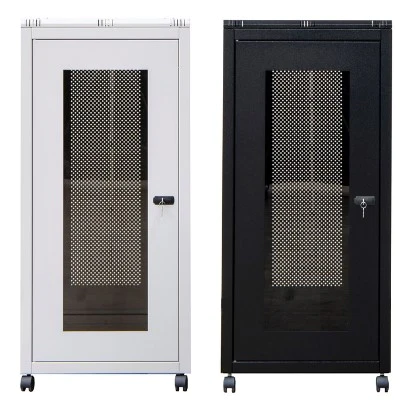
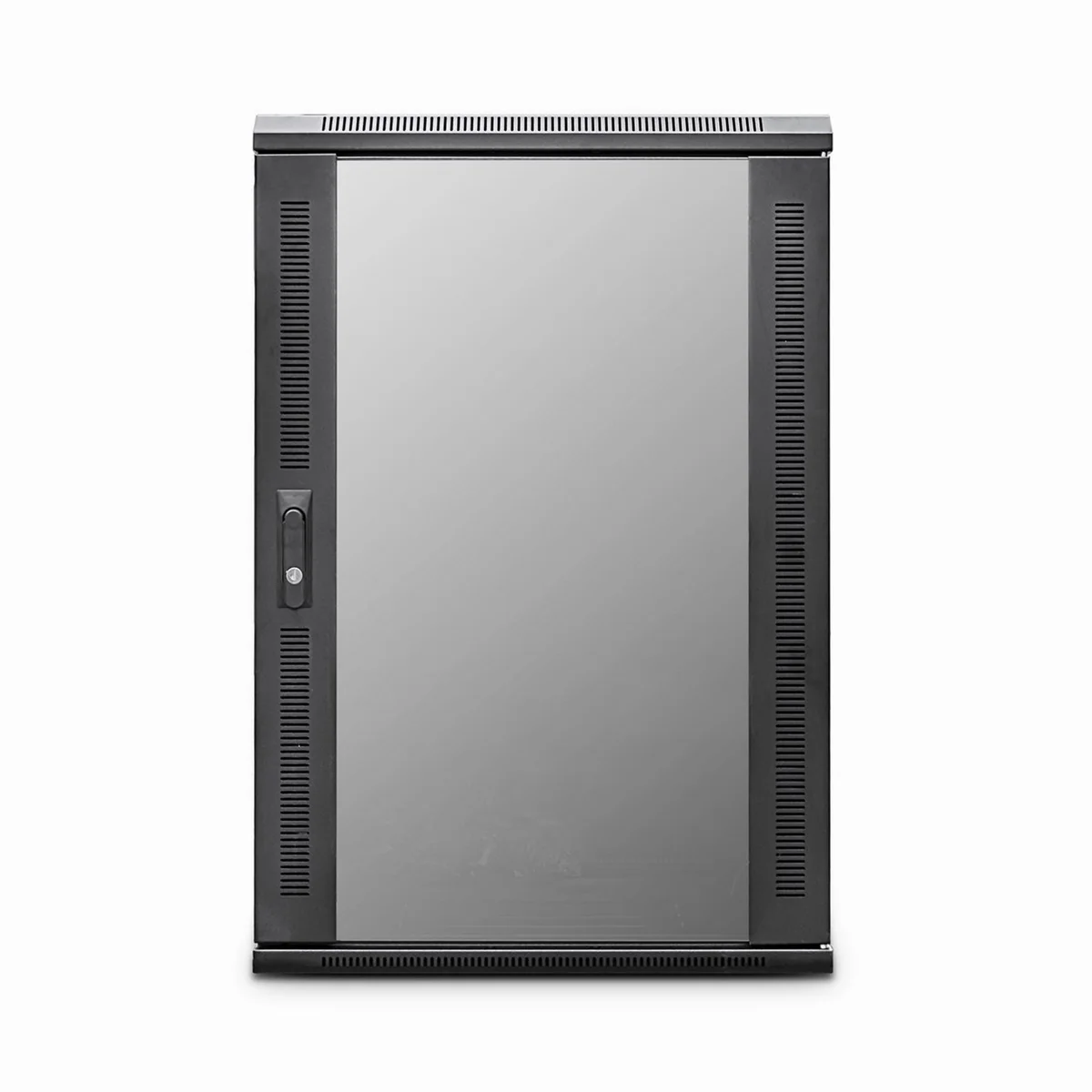
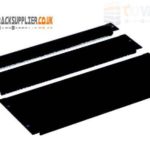 Blanking panel
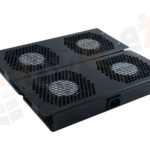 fan units
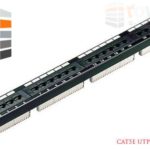 PATCH PANEL
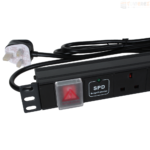 Power Distribution Unit
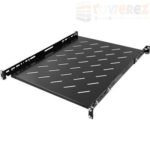 SHELVES
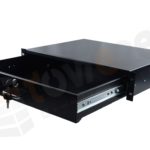 RACK DRAWER
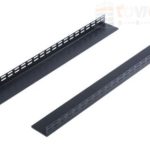 TOWEREZ RAILS
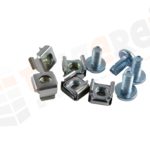 CAGE & NUTS

What Server Rack Depth Do You Need? UK Guide to 600mm, 800mm and 1000mm Cabinets

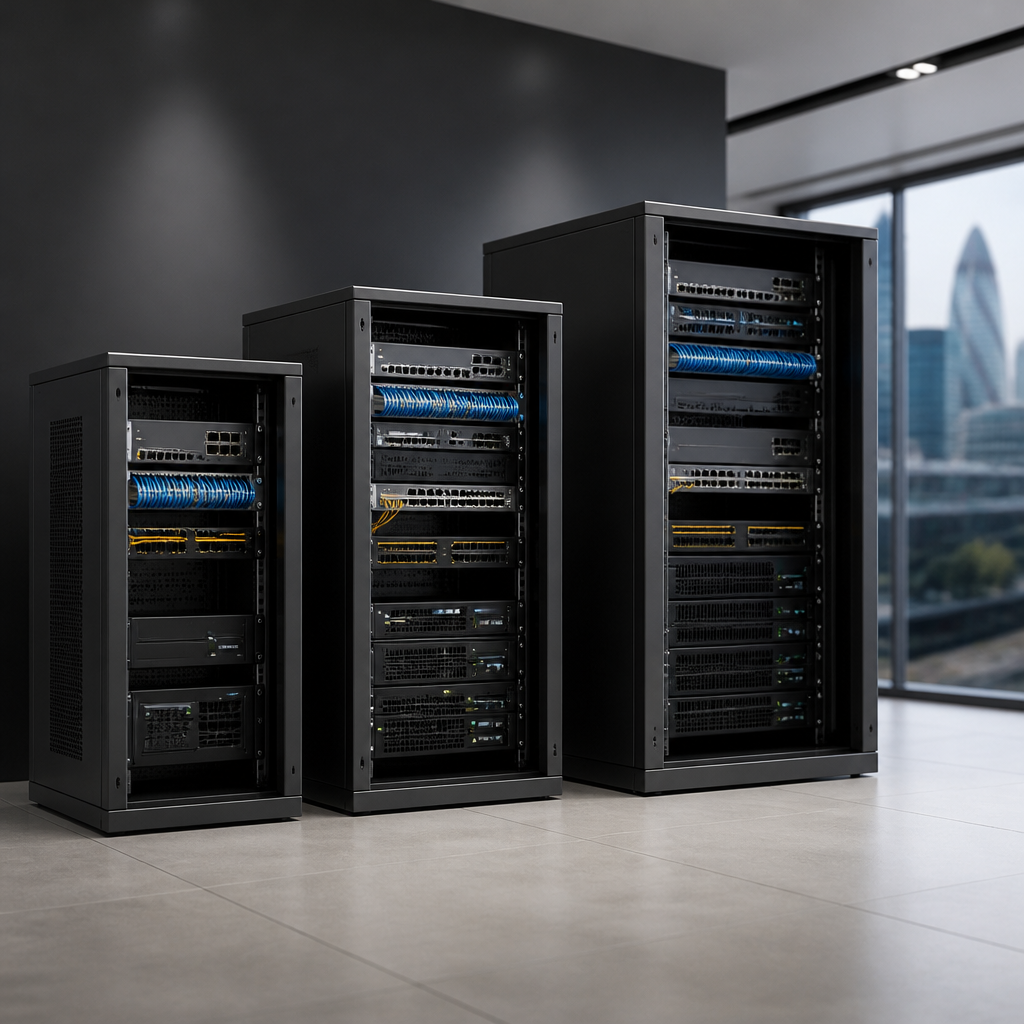
For most modern servers, an 800mm cabinet is the practical starting point, while a 1000mm cabinet is safer for long-depth servers, extensive cabling or future expansion. A 600mm rack can suit network switches, patch panels and compact equipment, but it may be too shallow for many full-depth servers. Choosing the right server rack depth UK specification means checking the equipment rail-to-rail requirement, cable clearance, airflow and the space available in your room.
Rack height is measured in rack units (U), and width is usually based on the 19-inch equipment standard. Depth is different: a cabinet’s advertised depth is normally its outside front-to-back measurement, not the usable distance between the mounting rails. That distinction is essential when planning a reliable installation.
What does server rack depth mean?
Server rack depth describes how far a cabinet extends from its front to its rear. However, several measurements can be involved:
- Overall cabinet depth: the external front-to-back dimension, including the frame, doors and panels.
- Usable mounting depth: the distance available between the front and rear equipment rails.
- Equipment depth: the length of the device chassis itself.
- Service clearance: additional room needed for power plugs, data cables, airflow and maintenance.
A device advertised as 700mm deep may not fit comfortably in a cabinet described as 800mm deep. The cabinet’s internal rail spacing may be less than its external depth, and rear connectors can require significant additional room. Always compare the manufacturer’s usable mounting depth with the equipment’s full installed depth.
Server rack depth UK: which cabinet size is suitable?
UK suppliers commonly offer cabinets in nominal depths such as 600mm, 800mm and 1000mm. These sizes are useful planning categories rather than universal internal dimensions. The best option depends on the longest device, the rear cable arrangement and how much room you want for future changes.
| Nominal cabinet depth | Typical applications | Main limitation |
|---|---|---|
| 600mm | Network switches, patch panels, routers, small appliances and compact servers | Limited space for deep equipment and rear cabling |
| 800mm | Many standard servers, storage devices, network equipment and mixed installations | May be tight for long chassis or large cable bends |
| 1000mm | Deep servers, storage arrays, power distribution and installations needing generous cable clearance | Uses more floor space and may need wider access planning |
When is a 600mm server rack enough?
A 600mm cabinet can be a good choice where the equipment is relatively shallow. Typical examples include patch panels, Ethernet switches, fibre panels, small routers, CCTV network hardware and compact edge devices. It can also work well in a small office or communications cupboard where floor space is limited.
Do not select a 600mm cabinet solely because the equipment fits between the front rails. You also need room behind the equipment for power connectors, network plugs and cable bend radius. Fibre cabling in particular should not be forced into a tight curve. If a switch has rear-facing ports or a bulky power supply, a shallow cabinet may become difficult to service.
Before choosing 600mm, measure the deepest installed component and add a practical allowance for connectors and cable routing. Check the cabinet’s actual usable depth rather than relying only on the product name.
When should you choose an 800mm server cabinet?
An 800mm cabinet is often the most versatile compromise for small and medium-sized installations. It provides more room than a 600mm rack without taking up as much floor space as a 1000mm model. It is commonly considered for mixed layouts containing servers, switches, patch panels, UPS equipment and cable management accessories.
However, “standard server” does not always mean the same depth. Different manufacturers and chassis families can vary considerably. Some servers have rear rails, sliding mechanisms or cable management arms that extend beyond the main chassis. An 800mm cabinet may fit the equipment but leave insufficient room for a rear door, power leads or a service loop.
Choose 800mm when the longest equipment is comfortably within the cabinet’s mounting range and the installation drawing confirms adequate clearance. It is also a sensible option when you expect to add equipment later but do not have room for a deeper enclosure.
When is a 1000mm server rack the better choice?
A 1000mm rack is appropriate when equipment is deep, cable-heavy or difficult to install in a compact enclosure. It is often considered for enterprise servers, storage systems, high-density power distribution, redundant power supplies and installations with rear cable management arms.
The additional depth can make installation and maintenance easier. Cables can be routed without sharp bends, rear doors are less likely to interfere with connectors, and technicians may have more working room. Extra clearance can also help when equipment is replaced with a slightly different model in the future.
A deeper cabinet is not automatically better. It occupies more floor area, may be harder to move through doorways and can complicate access in a narrow room. It may also leave unused space behind shallow network devices. Select 1000mm when the equipment or planned layout justifies it, not simply as a default.
How to measure equipment before buying a rack
Use a repeatable measurement process rather than estimating from the product category.
- Identify the deepest device. Measure from the front mounting face or rail position to the rearmost part of the chassis.
- Include installed accessories. Account for rails, handles, cable arms, brackets, power modules and rear covers.
- Check connector direction. Note whether power and data connections project straight back, sideways or through a cable-management arm.
- Allow cable bend space. Use the cable manufacturer’s recommended bend radius, particularly for fibre and high-performance copper links.
- Compare with usable rail depth. Do not compare the device only with the cabinet’s external depth.
- Check the doors and panels. Confirm that the rear door can close without pressing against plugs or cables.
- Plan for movement. Measure doorways, lifts, corridors and the final equipment-room route before ordering a deep cabinet.
A simple calculation is useful: required cabinet depth = equipment depth + connector clearance + cable-management allowance + installation margin. The exact margin depends on the hardware and the cabinet design, so use manufacturer drawings where available.
Depth is not the only cabinet dimension
Rack height and usable rack units
Equipment height is measured in U, with one rack unit equal to 44.45mm. Add the rack units for servers, switches, patch panels, shelves, blanking panels and power distribution units. Then leave spare capacity for future additions and airflow management.
Do not fill every available U simply because the equipment physically fits. Space may be needed for vertical cable managers, ventilation, service access or a UPS. A tall cabinet also needs a suitable ceiling height and a safe delivery route.
Cabinet width and cable management
Most rack equipment follows the 19-inch mounting standard, but the cabinet’s external width can vary. Wider cabinets may provide useful side channels for power and data cables. Check whether the chosen cabinet supports the accessories you need, including vertical PDUs, brush panels, shelves and cable managers.
Door and rail adjustment
Adjustable front and rear rails can make a major difference. They allow the installer to position equipment for better cable clearance, but adjustment ranges vary. Verify the minimum and maximum rail spacing in the cabinet specification and confirm that the rails support the equipment’s mounting method.
Cooling and airflow considerations
Cabinet depth can influence airflow, but it does not solve cooling by itself. Most rack servers are designed to draw air through the front and exhaust it at the rear. The cabinet should support this front-to-back airflow pattern without blocked doors, poorly placed panels or cable bundles obstructing vents.
- Use blanking panels in unused rack spaces where appropriate.
- Keep front air intakes and rear exhaust paths clear.
- Route cables so they do not cover server vents or switch fans.
- Check the cabinet’s perforated door design and airflow accessories.
- Consider the room’s ventilation and the combined heat output of all equipment.
A deeper cabinet can give cables more room behind equipment, but it should not be used as a substitute for a proper thermal assessment. Follow the equipment and cabinet manufacturer’s installation guidance.
Common mistakes when choosing server rack depth
Confusing external depth with usable depth
This is the most common mistake. An advertised 800mm cabinet may have less than 800mm between its rails, especially once doors and cable clearances are considered. Request a dimensional drawing if the fit is close.
Measuring the chassis but not the cables
Power leads, network plugs and fibre connectors extend beyond the equipment. A cabinet can technically house the chassis while still being unsuitable for normal operation or maintenance.
Ignoring future equipment
A rack may begin with shallow switches and later receive servers or storage. If the cabinet will serve as a long-term platform, consider the likely equipment roadmap and leave usable space for upgrades.
Forgetting the room and access route
A 1000mm cabinet may be suitable inside the room but impossible to move through a tight doorway. Check the packaged dimensions, castors, plinth and required turning space before purchase.
Choosing based on price alone
A cheaper shallow cabinet may create extra installation work or force unsuitable cable bends. Compare the complete installation, including shelves, PDUs, cable managers, blanking panels and any required cooling accessories.
Practical buying checklist for UK installations
- Confirm the cabinet’s external depth and usable mounting depth.
- Measure the longest equipment, including rails and rear accessories.
- Allow clearance for power plugs, data connectors and cable bend radius.
- Check the front and rear rail adjustment range.
- Confirm 19-inch compatibility and the required rack-unit capacity.
- Review door, side-panel and rear-access arrangements.
- Check load capacity for servers, shelves, UPS units and batteries.
- Plan airflow, blanking panels and cable separation.
- Measure doorways, corridors, lifts and the final installation area.
- Ask the supplier for technical drawings when the equipment fit is marginal.
Rule of thumb: choose 600mm for genuinely shallow equipment, 800mm for many general-purpose mixed installations, and 1000mm when deep hardware or generous rear clearance is important. Confirm the actual measurements before ordering.
Key takeaways
- The best server rack depth UK choice depends on equipment depth, connectors, cable routing and future plans.
- A 600mm cabinet suits many network and compact installations but can be restrictive for servers.
- An 800mm cabinet is a flexible middle option for many mixed equipment rooms.
- A 1000mm cabinet offers more room for deep servers, storage and cable management.
- Always compare usable rail depth with the complete installed equipment, not just the chassis.
Frequently asked questions
Is 600mm deep enough for a server rack?
It can be sufficient for compact servers and network equipment, but many full-depth servers need more room for rails, connectors and cable bends. Check the equipment’s installed depth against the cabinet’s usable mounting depth before choosing 600mm.
Is 800mm a standard server rack depth?
800mm is a common nominal cabinet depth and is a versatile option for many mixed installations. It is not a guarantee that every server will fit, because usable rail depth and rear clearance vary by cabinet and equipment model.
When should I choose a 1000mm server rack?
Choose 1000mm when you are installing deep servers, storage systems, rear cable-management arms, substantial power distribution or equipment that needs generous service clearance. Also confirm that the room and access route can accommodate the larger cabinet.
Does server rack depth include cable clearance?
Usually, the advertised cabinet depth refers mainly to the cabinet’s external dimension. It does not necessarily include the clearance needed for connectors and cables. Check the supplier’s usable depth and allow additional space for cable routing.
Can I use a deeper rack for shallow network equipment?
Yes, shallow equipment can be installed in a deeper cabinet if the rails and accessories are compatible. However, the extra depth uses more floor space and may not provide a practical benefit unless you expect future upgrades or need additional cable-management room.
{“@context”:”https://schema.org”,”@type”:”FAQPage”,”mainEntity”:[{“@type”:”Question”,”name”:”Is 600mm deep enough for a server rack?”,”acceptedAnswer”:{“@type”:”Answer”,”text”:”It can be sufficient for compact servers and network equipment, but many full-depth servers need more room for rails, connectors and cable bends. Check the equipment’s installed depth against the cabinet’s usable mounting depth before choosing 600mm.”}},{“@type”:”Question”,”name”:”Is 800mm a standard server rack depth?”,”acceptedAnswer”:{“@type”:”Answer”,”text”:”800mm is a common nominal cabinet depth and is a versatile option for many mixed installations. It is not a guarantee that every server will fit, because usable rail depth and rear clearance vary by cabinet and equipment model.”}},{“@type”:”Question”,”name”:”When should I choose a 1000mm server rack?”,”acceptedAnswer”:{“@type”:”Answer”,”text”:”Choose 1000mm when you are installing deep servers, storage systems, rear cable-management arms, substantial power distribution or equipment that needs generous service clearance. Also confirm that the room and access route can accommodate the larger cabinet.”}},{“@type”:”Question”,”name”:”Does server rack depth include cable clearance?”,”acceptedAnswer”:{“@type”:”Answer”,”text”:”Usually, the advertised cabinet depth refers mainly to the cabinet’s external dimension. It does not necessarily include the clearance needed for connectors and cables. Check the supplier’s usable depth and allow additional space for cable routing.”}},{“@type”:”Question”,”name”:”Can I use a deeper rack for shallow network equipment?”,”acceptedAnswer”:{“@type”:”Answer”,”text”:”Yes, shallow equipment can be installed in a deeper cabinet if the rails and accessories are compatible. However, the extra depth uses more floor space and may not provide a practical benefit unless you expect future upgrades or need additional cable-management room.”}}]}